Impact
Crating measurable impact across your portfolio and business
Build a more sustainable product portfolio by reducing CO₂ emissions, water consumption, and land use throughout your products.
Impact
Build a more sustainable product portfolio by reducing CO₂ emissions, water consumption, and land use throughout your products.


The greatest impact can be achieved in products with a high environmental footprint, such as meat. By incorporating seaweed, you can directly reduce CO₂ emissions per product. This impact can be easily scaled across multiple products within your portfolio and supports your CSRD reporting objectives.

Seaweed requires no agricultural land to grow. Integrating seaweed into your products helps reduce land-use pressure throughout the value chain, enabling more sustainable food production while preserving scarce natural resources.
Seaweed grows without the need for freshwater. By incorporating seaweed into food products, the overall water footprint per product can be reduced. This helps decrease pressure on freshwater resources throughout the supply chain.
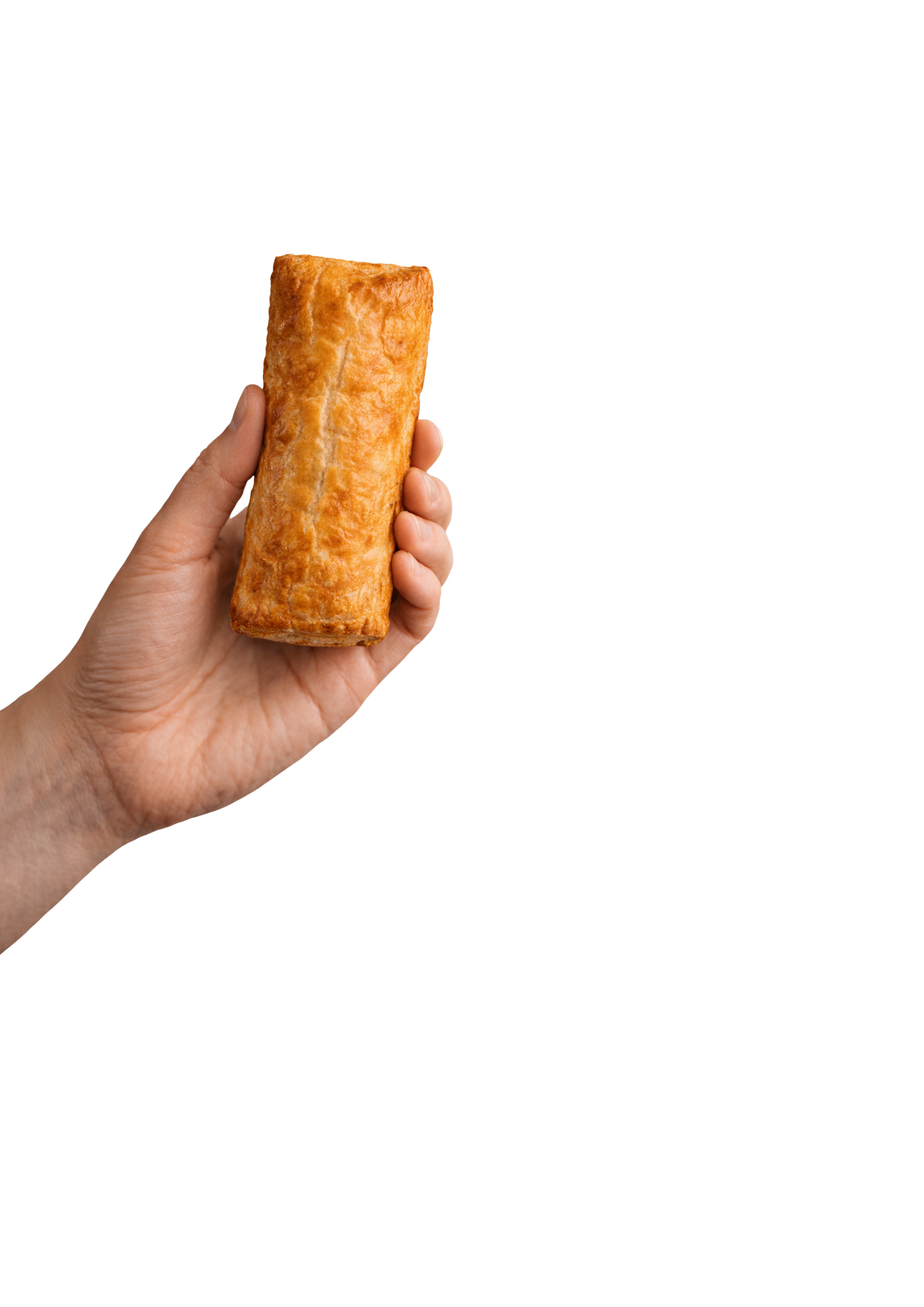
Through one of our partnerships, producing 1 million snacks annually results in the following impact:
CO₂-uitstoot verminderd
201440 CO₂
= 1.300.000 km car journey
Landgebruik bespaard
114640 M2
= 16 football fields
Waterverbruik bespaard
123200000 Litres
= 2.000.000 litres of clean drinking water
Reduce your footprint and strengthen your business case with solutions that are ready to implement.